Bartenders at nightclubs are know their stuff and have alcohol policy written down, and have an experienced manager for each shift. In a handbook for employees, these policies can be a source of comfort.
Imagine a Saturday night that is full of bartenders serving a group of customers, while an employee on the floor manages the crowd and customers who are ordering drinks from various locations. Who’s accountable for determining when someone shouldn’t be receiving alcohol at all?
This issue is more relevant in the context of dram shops litigation, rather than merely determining the number of drinks that are sold.
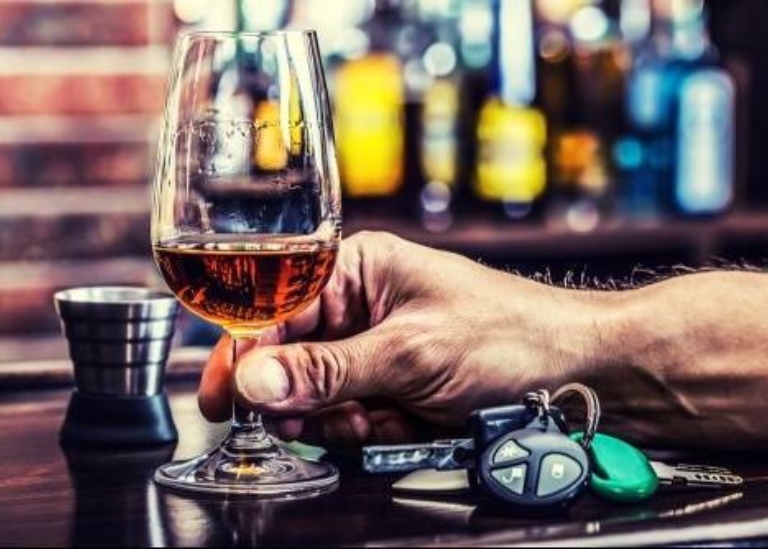
Overservice investigations begin with what Staff members might see
A Dram Shop expert witness examines whether the alcohol-related decisions made by employees were in line with the accepted industry norms and the specific circumstances employees confronted.
A customer’s intoxication does not establish, on its own that the bartender noticed warning signs when serving. The investigation needs to consider what the customer’s behaviour was and the time of service, staff observations and evidence available.
Surveillance footage could show an inability to walk, strange movements, or interactions with employees. The testimony of witnesses can give additional information, but their recollections could differ. The key distinction is the knowledge of investigators following an incident, and what staff reasonably could be aware of at the time.
One tab isn’t always the same as One Drink
These records can be useful however, their interpretation requires a lot of experience in the hospitality industry. A customer can purchase several rounds of drinks for their buddies. Bottle-service transactions can involve multiple people. Bartenders can process separate orders without knowing the previous order of another employee.
Alcohol experts can look over transaction times, drink quantities, video surveillance, and the staffing records to develop a comprehensive timeline.
The analysis could reveal moments that employees had the opportunity to detect intoxication and intervene. The analysis could also reveal when there isn’t enough evidence to identify the individual who consumed an alcohol drink.
The floor is where the Training Matters
The certifications of employees are vital but they’re not a guarantee to determine how a place was run during a specific shift.
An investigation could examine whether training was in order, whether employees understood intervention procedures, and whether managers reinforced the establishment’s policies.
Preston Rideout brings over three decades of operational experience in the hospitality industry in this field, which includes bartending, management of nightclubs, and beverage-program consulting.
The professional credentials of his work also indicate that he is the owner of 112 seller-server certificates that cover 48 states, and the District of Columbia.
This combination allows him both to look at the training that employees received and the operational decisions they had to make. Bartenders, for instance could be able to recognize a behavior that is concerning but may not have clear instructions on how to report it or contact management. Therefore, the degree of supervision is just as important as an employee’s actions.
Insurance investigations might ask similar inquiries.
A Liquor liability expert witness frequently addresses the same operational issues for insurers, coverage counsel, and defense attorneys. While the language used may differ but the core issue is alcohol service and staff conduct.
The complete review might include incident reports, written policies, video recording, employee schedules and documents for certification. It’s not the expert’s job to support those who want them. The responsibility of the expert is to provide an explanation of the findings that they have discovered, to determine the best practices for industry and acknowledge the limitations that are significant.
Experience can help explain the reasoning behind the records
Rideout has provided testimony in alcohol-related and hospitality matters in 11 states, and has worked with both plaintiff and defense counsel.
His study examines restaurants, bars, and nightclubs, in addition to resorts, hotels, casinos and other hospitality settings that serve alcohol on a daily basis. Every environment faces its own specific issues with staffing and supervision.
Bartenders working in a restaurant’s dining area may have a better opportunity to look over customers than an employee of a counter service at a nightclub. Knowing the differences will allow you to put the evidence in the proper operational context.
Credible opinion doesn’t fill gaps with assumptions
The laws governing a shop’s ramifications differ by location, and the operational expert testimony is not to be confused an official determination of responsibility. The most comprehensive analysis clarifies what employees did in the past, what standards of service required, and what conclusions the evidence supports.
Sometimes, records reveal a deviation from standard procedures. In other instances, they demonstrate that employees followed appropriate guidelines or left crucial questions unanswered.
It is important to distinguish between these two types of lawyers when to evaluate alcohol-related lawsuits. A good expert opinion does more than simply describe the incident. It allows the judge to discern what was going on inside the establishment before the end of the night.