Before anyone could photograph or study, or even place Megalodon teeth on a shelf it was doing something more tense. It was a part of one of the biggest predatory sharks ever to inhabit Earth’s oceans. Then the tooth was lost. This is the case for the majority of things. It can be also the beginning of a story for fossils.
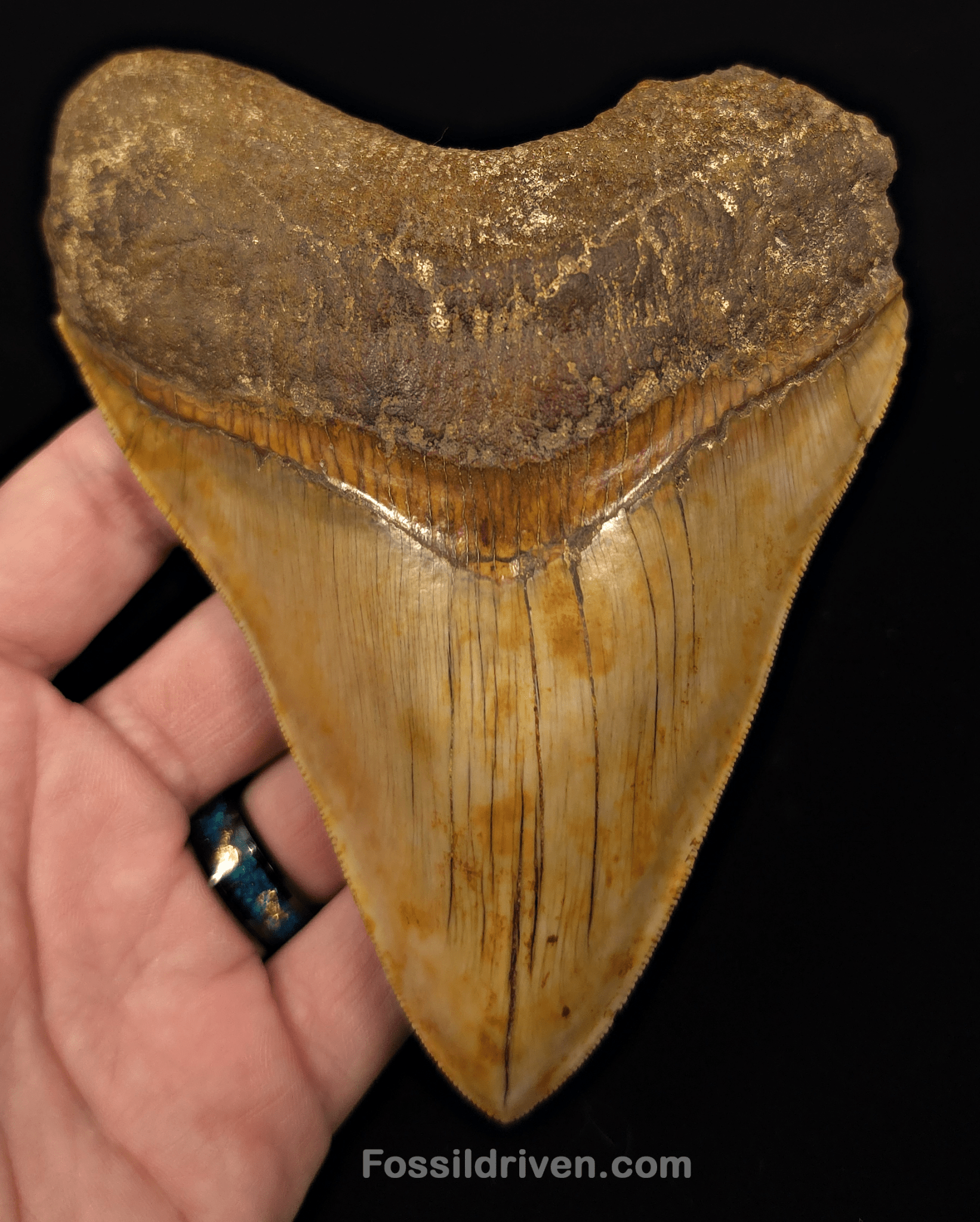
Image credit: fossildriven.com
The specimens offered by Fossil Driven have traveled through a geological process measured not in years or centuries, but in millions of years. Understanding the journey can change the perception of viewing the fossil. You’re no longer simply looking at a beautiful object. You’re looking at physical evidence from an era long gone.
The First Stop: An Ancient Ocean
Take a look at the Megalodon the molars in West Java, Indonesia. About 20 million years ago the vast areas of land that are now in our view were marine warm environments. Megalodon sharks inhabited those prehistoric waters, along with a myriad of other types of marine life.
Megalodon as modern sharks present, continuously produces and loses teeth. Some of the teeth eventually found their way into marine sediments. If conditions are right burial can protect them until they are fossilized.
Then, Geology came in.
The next chapter went on slow. Sediments formed. Minerals react with the material that was buried. The forces of geology changed landscapes, and submerged environments became land. Those processes help explain something buyers immediately notice when looking at megalodon teeth for sale Genuine fossil teeth may appear dramatically different in colors.
Indonesian specimens found in West Java’s Miocene Bentang Formation typically tan, golden, brown blue, red or black. Many exhibit various shades on a single tooth. The surrounding minerals contribute to the appearance that a specimen acquires over its lengthy burial. It is difficult to achieve this result in large quantities by natural methods. Each fossil has had its own geological story.
Discovery Starts a New Chapter
A fossil that has been hidden for millions of years, is finally recovered. Now, identification and documentation is crucial.
When collectors browse authentic megalodon teeth on the market, they aren’t only evaluating their appearance. Information about locality geochemical age, preservation, repairs, and restoration helps explain what they’re really looking at.
Natural wear doesn’t erase the historical significance of a fossil. The past of the specimen may be visible in a worn-out tip or an imperfect root or a surface with a serrated edge. The most important thing is to represent the specimen in a precise manner.
Fossil Driven has more than 13 years of expertise in the identification of fossils and works with well-established suppliers and fossil hunters. The fossils are studied and described, with relevant information whenever it is possible.
The Fossil Will Reach Someone’s Hands
People buy real Fossils for a variety of reasons. Many people create a meticulously separated collection. Others are looking for a singular dramatic conversation piece. A child interested in ancient animals might be presented with the first fossil of its kind that sparks interest in paleontology.
Megalodon teeth are only one entrance into the world. Dinosaur teeth, mosasaur fossils, trilobites, ammonites mammoth materials, and others preserve completely various chapters from Earth’s past.
The Best Part Is Knowing That It’s Real
A replica can duplicate the look and feel of a tooth that was once in use. It can’t reproduce its past. It is not possible to reproduce its past.
This is why that authenticity is vital. A fossil is an actual reminder of a journey that has been nearly impossible to imagine. The display case just the latest stage of the journey.