Consider how much planning is required for a public park. Landscape architects have to consider the accessibility, circulation for pedestrians and drainage issues, in addition to lighting, parking, design of playgrounds, as well as the way that different groups utilize the space. The most frequently constructed structures can be thought of as a typical construction.
A restroom deserves more consideration. It is a place that has waste-handling or plumbing needs, accessibility requirements, maintenance requirements, security concerns and building code obligations. It must be built to withstand the elements for a long time and the heavy use of the general public.
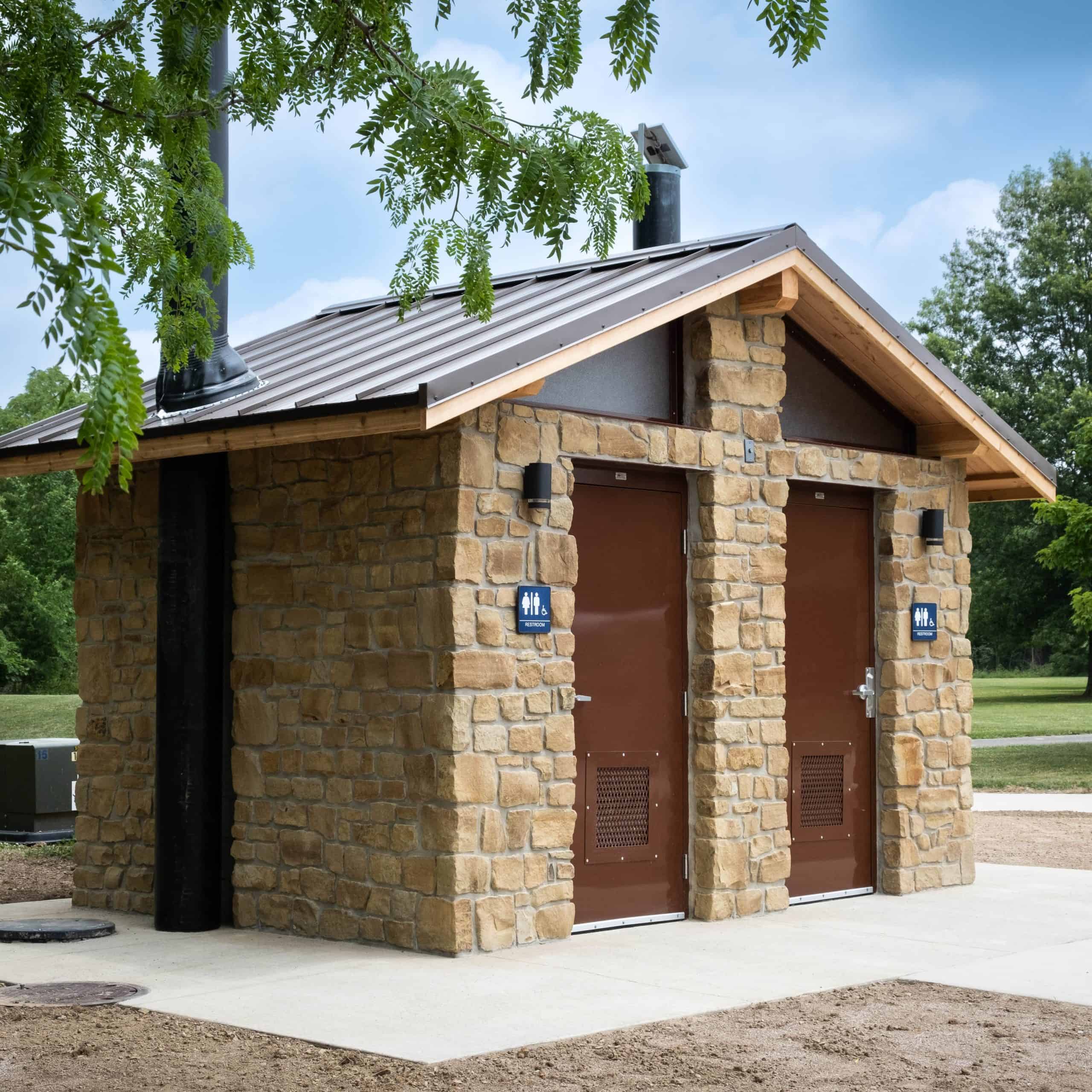
Image credit: romtec.com
Romtec’s method makes restroom design part of larger plan of the site, not an afterthought.
Prefabrication Doesn’t Mean the same thing. Buildings
The phrase “prefabricated restroom” in parks can suggest that there’s a restricted selection of conventional constructions. A kit-based model can be used differently.
Romtec creates custom designs, offers the engineering documents and materials necessary to build the designs, along with drawings and specifications. Landscape architects are able to select styles and materials that are most appropriate for the design. Romtec can also provide assistance with codes, ADA regulations, components pricing, and construction.
A municipality renovating a historic community park, for instance it may require a distinct exterior than the recreation department that is developing a modern sports complex. Both can still benefit from a planned building-supply process without making the building identical.
City Streets Create a Different Design Concept
Toilets that are located in dense urban areas are confronted with unique operational problems. Toilets could be surrounded by pedestrian traffic. Additionally, there are issues about vandalism, security and hygiene.
Romtec’s sidewalk restrooms incorporate visibility into the exterior design to encourage natural surveillance while maintaining the functionality expected of a public facility. The use of low-maintenance materials and vandal resistant components are crucial in this case because frequent repairs can create a significant operational burden for public authorities.
The aim of building a restroom isn’t to just strengthen it. The materials, layout and the environment of the bathroom should work together to simplify the process to manage.
The Most Important Question is what’s going on underground
Planners must first determine the facilities available before deciding how a bathroom will look.
It is possible that a city park constructed in the past has easy access to electricity, water, and the sanitary sewerage lines. Move the same project to a more remote campsite or trailhead and extending those utilities could become one of the major expenses.
Vault toilets can be a great option for those who do not require water. Romtec provides these facilities with components including its polyethylene one-piece riser. It’s simple to wash and chemical-resistant. It also deters the growth of bacteria. It is suitable for new or existing vault toilet facilities.
Design for those who arrive after the closing Time
Visitors are able to use the bathroom for a brief period of time. Maintenance staff have been living with the style for many years.
It’s the difference in perspective that is important. Surfaces that are awkward to clean, components which are easily damaged, and materials that are not suited for repeated cleaning could turn simple decisions in design into expensive recurring costs.
Cost, durability, and serviceability are, therefore, important aspects to consider in the design process. Sustainable materials, energy-efficient equipment, vandal-resistant fixtures, and sensible maintenance access can all affect the building’s long-term value.
Even a modest structure could be a part of the landscape
Bathroom design doesn’t have to compete with the park around it, but neither is it necessary to look sloppy.
Romtec’s bespoke approach gives designers and public agencies the chance to coordinate bathroom facilities, including pavilions, shelters campsites, pools trail systems, and other architecture. At the same essential requirements such as ADA accessibility and code conformance remain in the forefront of the plan.
If those concerns are taken care of in conjunction, the outcome isn’t simply a space to put toilets. It is a piece public infrastructure that was created to serve the community it serves.